



One Day, One Leader
More →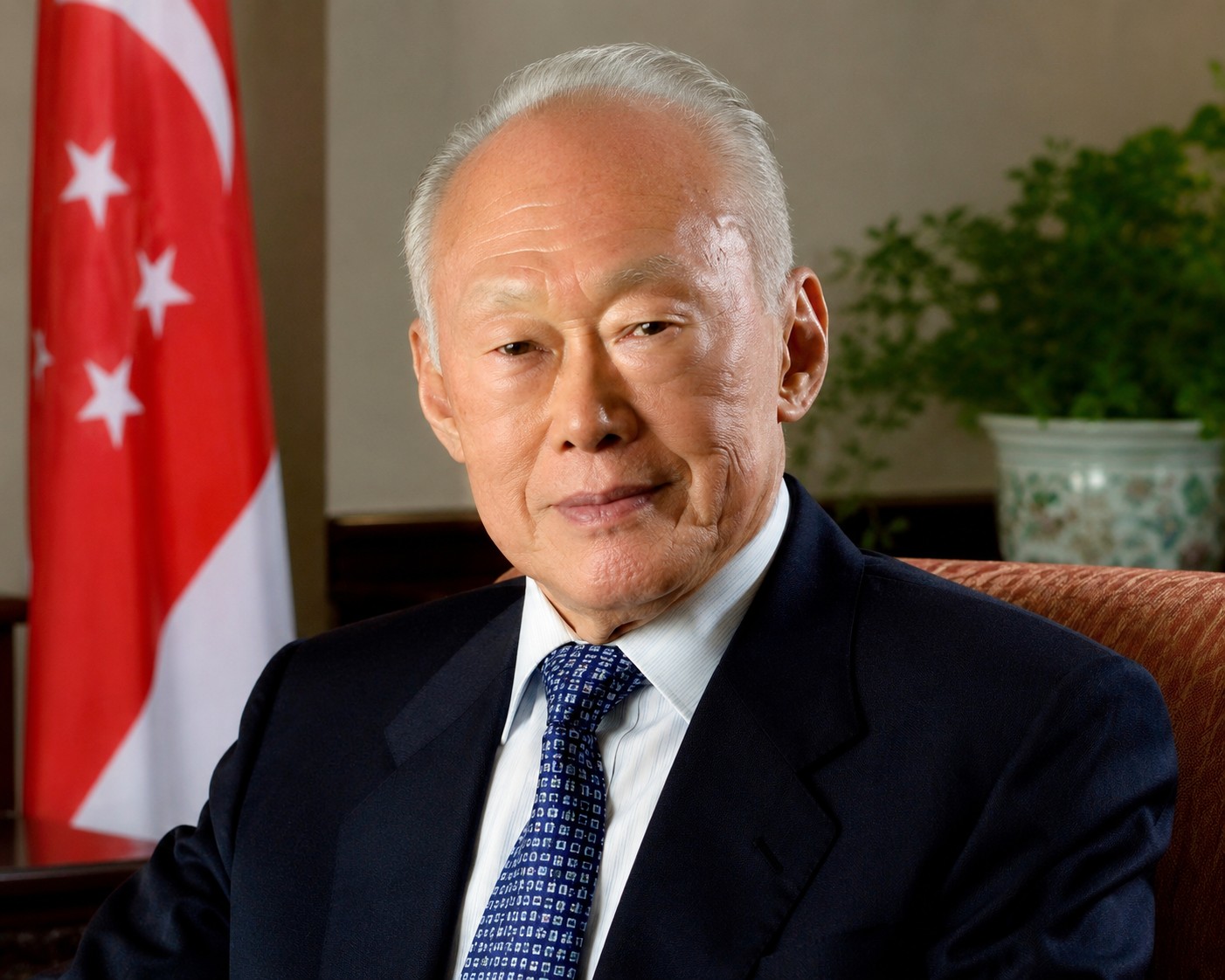
Lee Kuan Yew / Preparing Nations for Tomorrow
In this exclusive interview, Lee Kuan Yew explores the foundations of national success in an era defined by technological disruption, geopolitical competition, and rapid economic transformation. Drawing on the principles that shaped Singapore's rise, he reflects on leadership, governance, artificial intelligence, globalization, and the challenges facing nations in the twenty-first century.
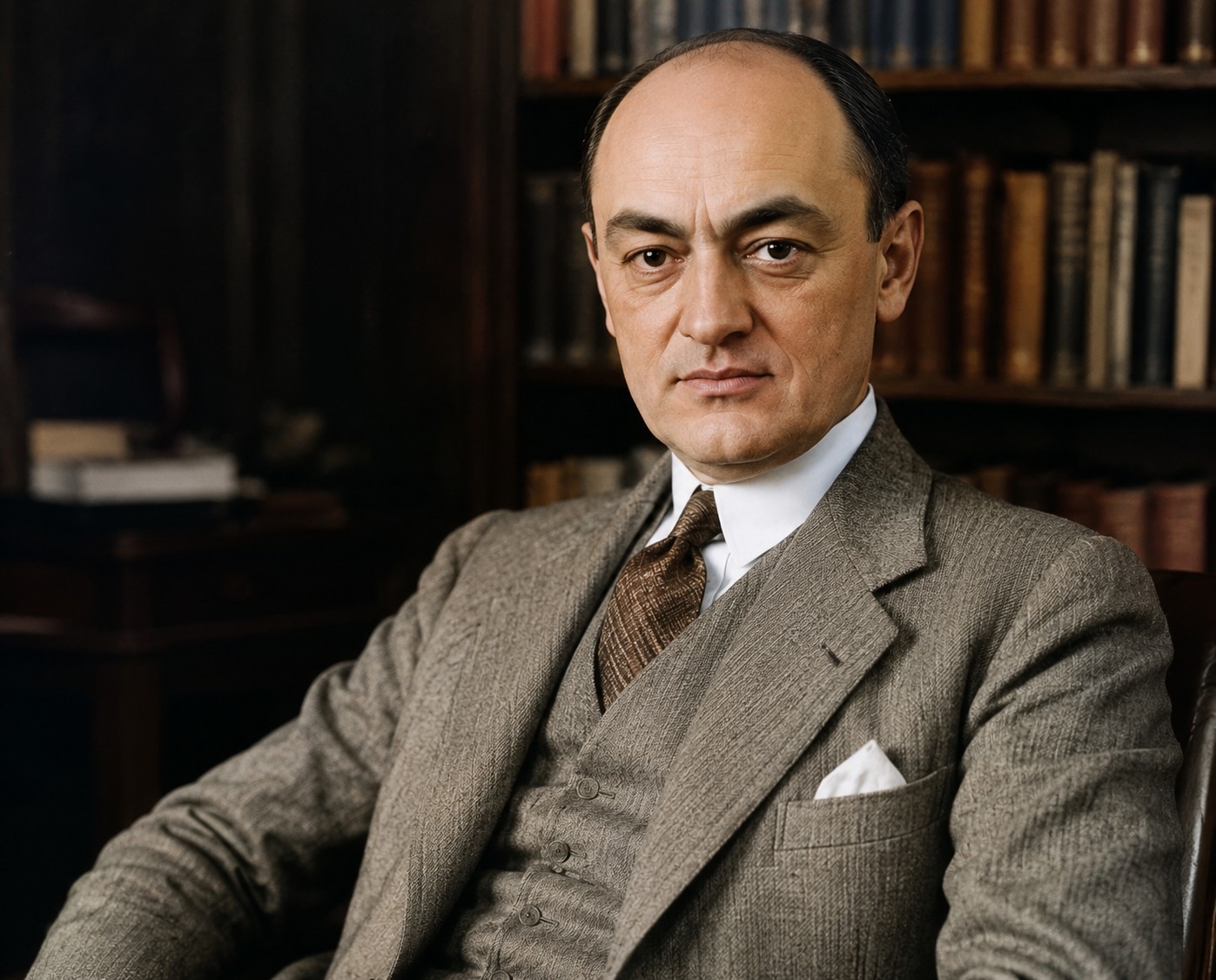
J. Schumpeter / The Age of Creative Destruction
In this exclusive interview, Joseph Schumpeter explores the forces shaping the future of capitalism, from innovation, entrepreneurship, and creative destruction to artificial intelligence, digital monopolies, and global economic transformation. Through the lens of one of history's most influential thinkers on innovation, this conversation examines why the future belongs not to those who preserve the status quo, but to those who create what comes next.

J.M Keynes / The Economics of Stability
In this exclusive interview, John Maynard Keynes revisits the defining economic challenges of the modern era, from financial crises, public debt, and inflation to inequality, artificial intelligence, and the future of capitalism. Through the lens of one of the twentieth century’s most influential economists, this conversation explores the delicate balance between markets, government, and economic stability in an increasingly complex world.
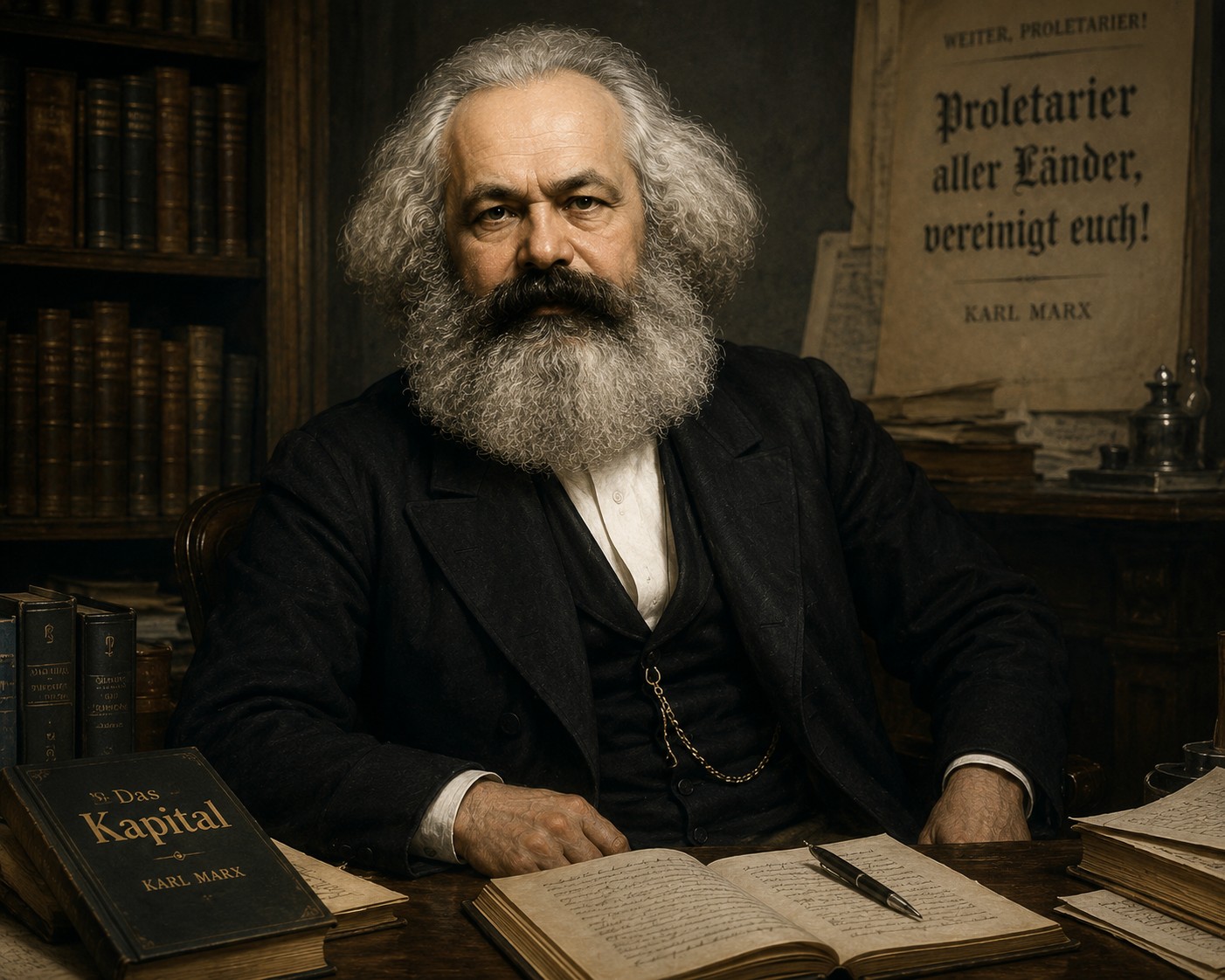
Karl Marx / Who Owns the Future
In this exclusive interview, Karl Marx revisits the defining economic and social challenges of the modern world—from inequality, concentrated wealth, and corporate power to artificial intelligence, digital capitalism, and the future of work. Through the lens of one of history’s most influential critics of capitalism, this conversation explores whether the fundamental questions of ownership, power, and economic justice remain as relevant today as they were in the nineteenth century.
Economics
More →
Strategic Raw Materials: The New Instruments of Economic Power and Global Trade Competition
Strategic raw materials are becoming powerful instruments of geopolitical influence and economic competition. As countries increasingly use export restrictions and supply-chain dependencies to strengthen their strategic positions, the World Business Organization (WBO) is advancing a new approach through its Global Network of Secure Smart Trade Cities, designed to connect resource-producing economies with international investors, industrial consumers, financial institutions, and global markets.
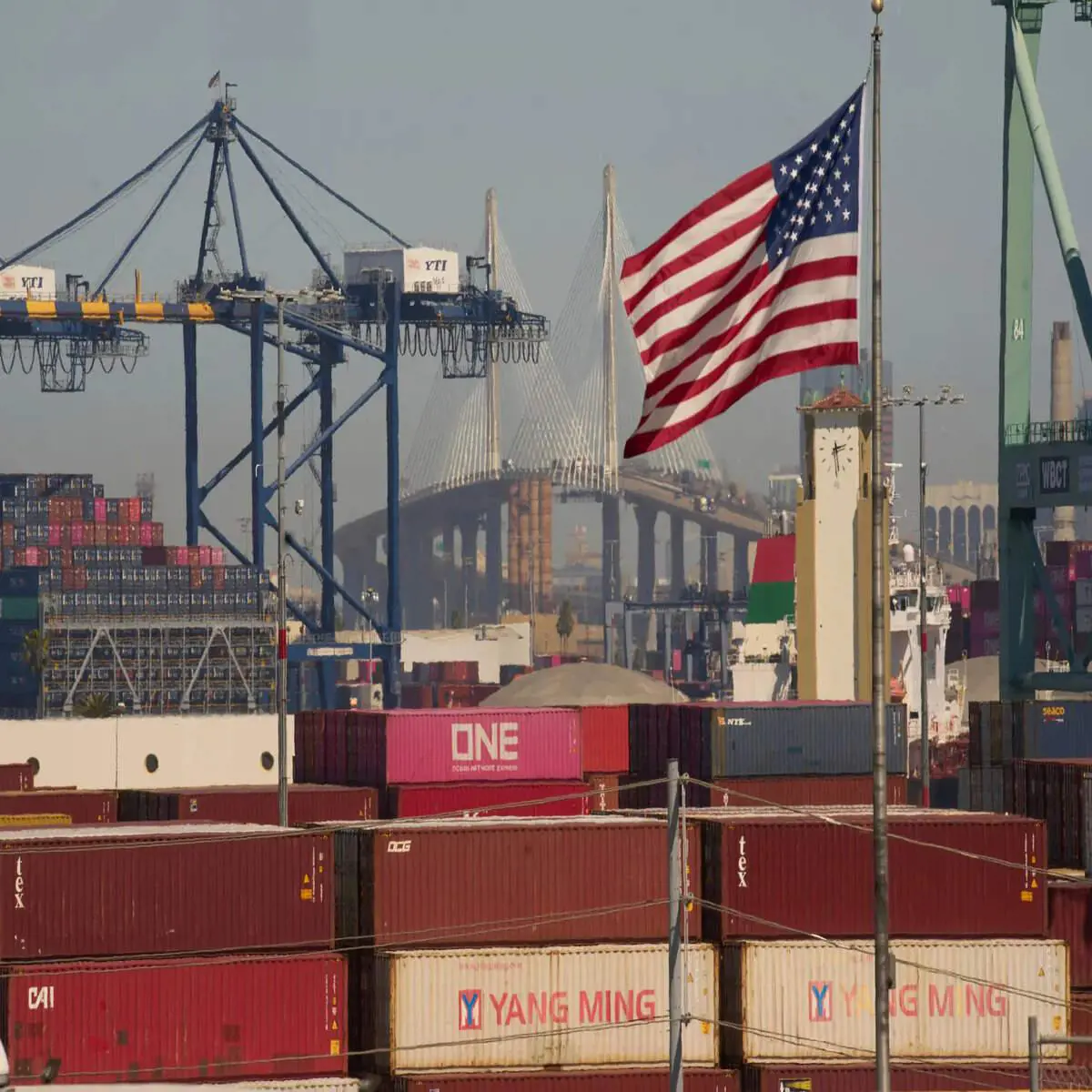
A New Direction for Global Trade or Another Trade War?
The 2026 US midterm elections have reshaped Washington's political landscape, raising questions about the future of American tariffs and global trade. This analysis explores three possible scenarios and examines how the World Business Organization (WBO) proposes to strengthen international trade cooperation, diversify commercial infrastructure, and build a more resilient global trading system.
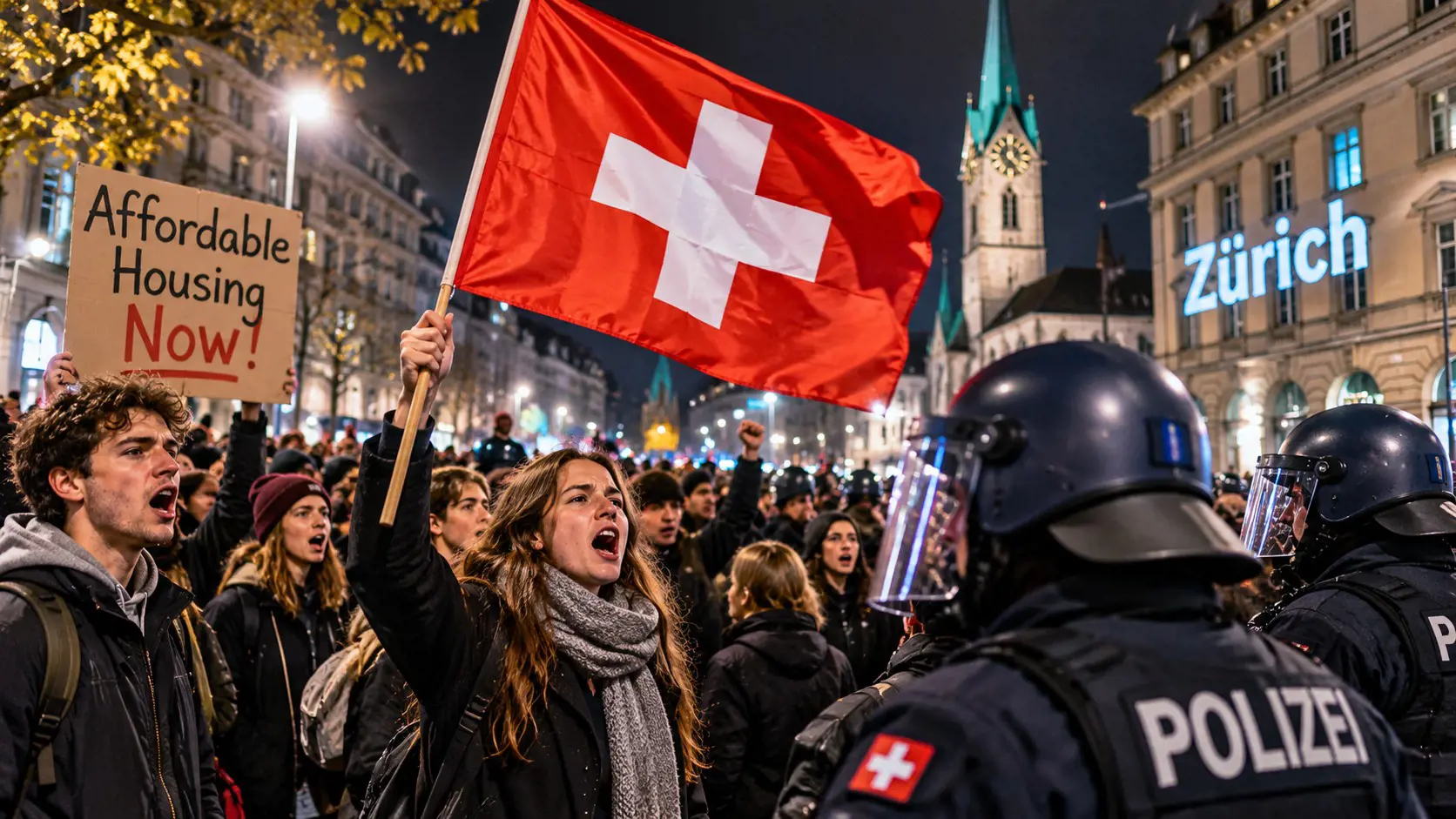
Wealth Does Not Guarantee Social Stability / Lessons from Switzerland
Recent unrest in Switzerland challenges the assumption that economic prosperity guarantees social stability. Rising housing costs, healthcare expenses and generational economic pressures reveal why even wealthy societies must address growing public expectations and concerns about the future.
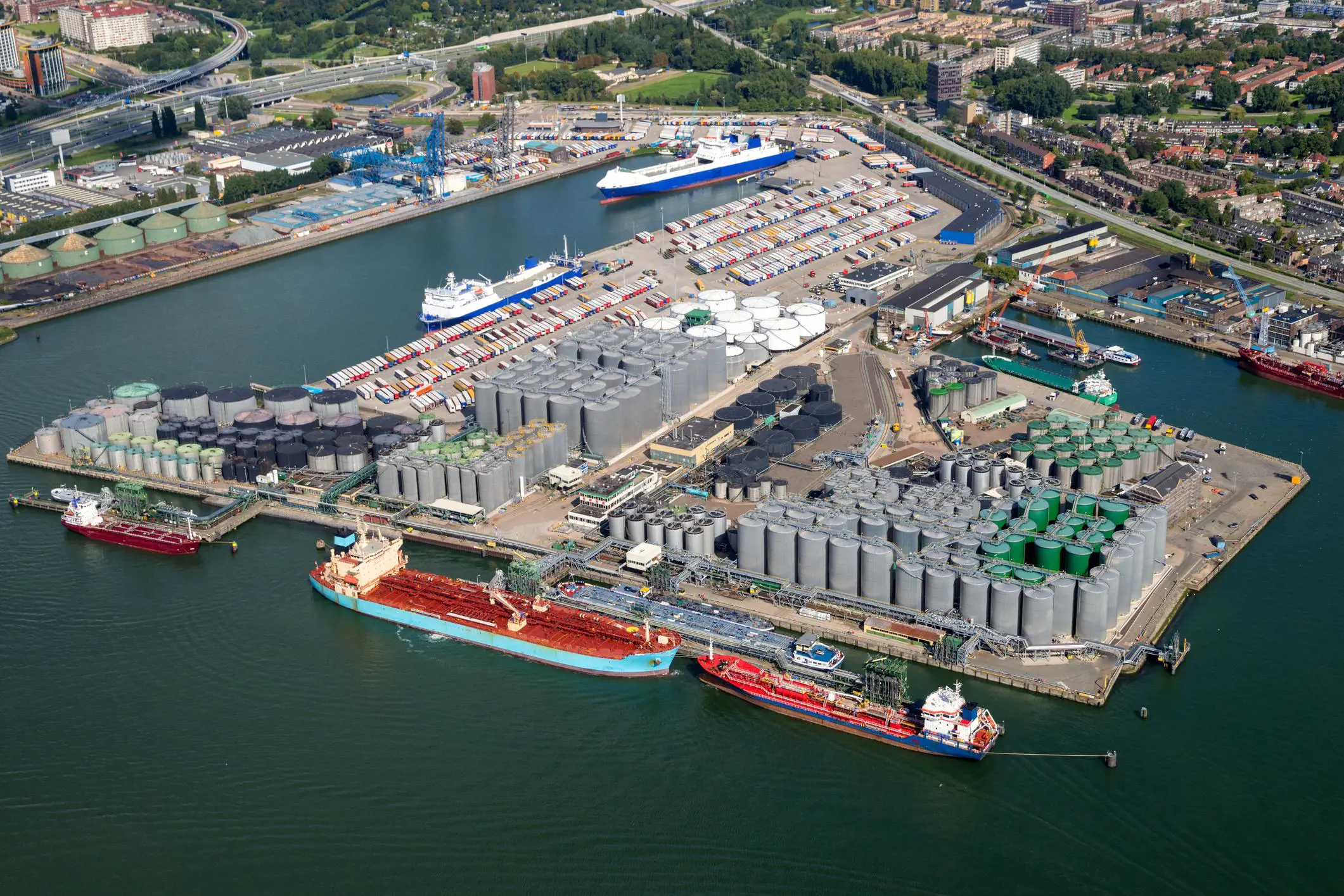
Global Inflation and Energy Uncertainty
Rising energy costs, geopolitical uncertainty and persistent inflation are reshaping the global economic landscape. This report examines the implications for international trade and investment while highlighting WBO's strategic approach to strengthening global business cooperation, market diversification and sustainable economic opportunities.
Politics
More →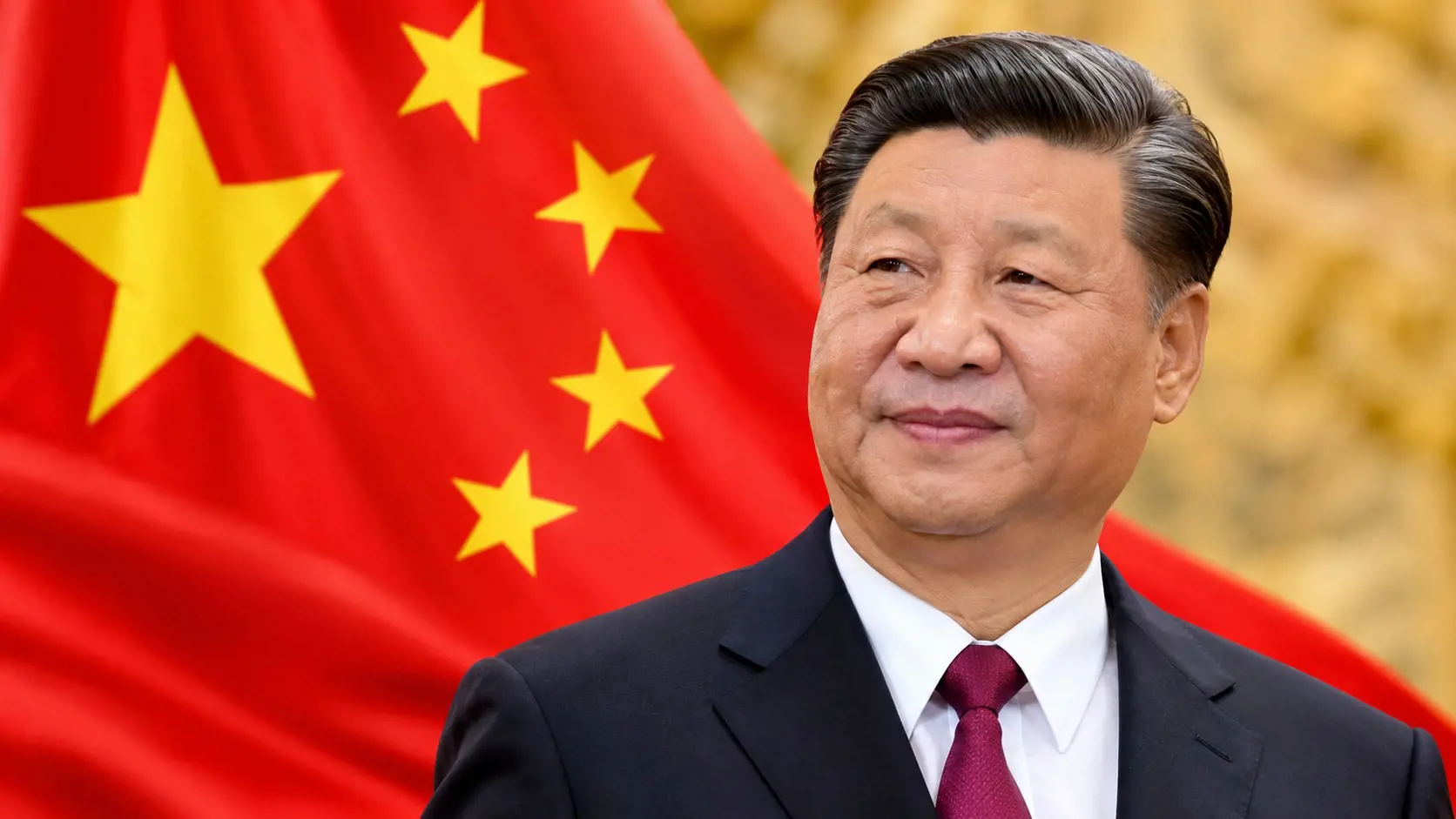
Xi Jinping’s Vision: Reshaping China’s Global Economic Power
China’s economic strategy under President Xi Jinping is reshaping the country’s role in global trade through technological innovation, domestic market expansion, strategic investment and deeper international economic cooperation.
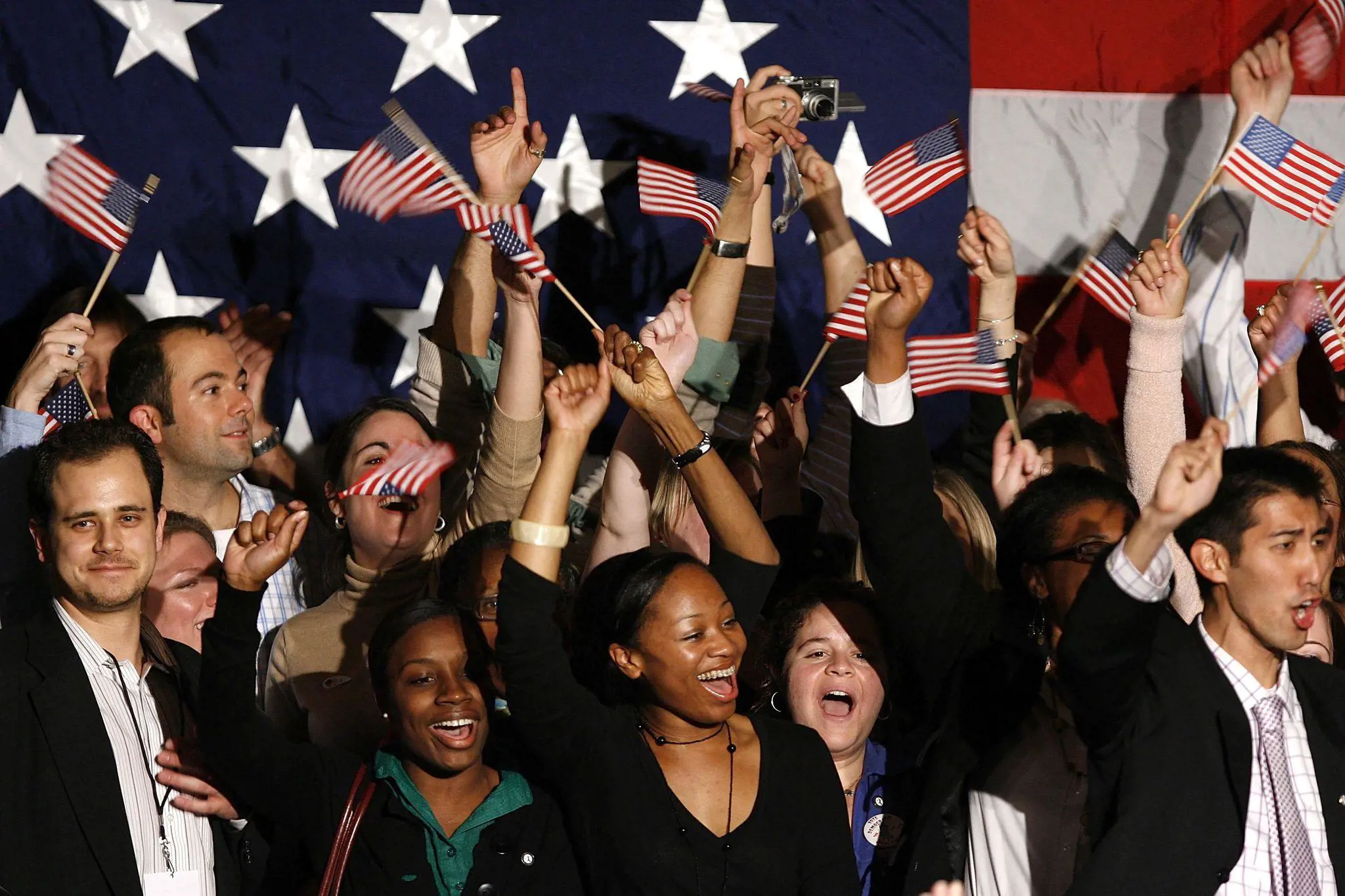
War-Driven Economic Pressure Reshapes Midterm Electoral Landscape
The economic consequences of the U.S. war with Iran, from rising fuel prices to inflation and growing public expenditure, became a significant political liability for the Trump administration and helped reshape the outcome of the 2026 midterm elections.
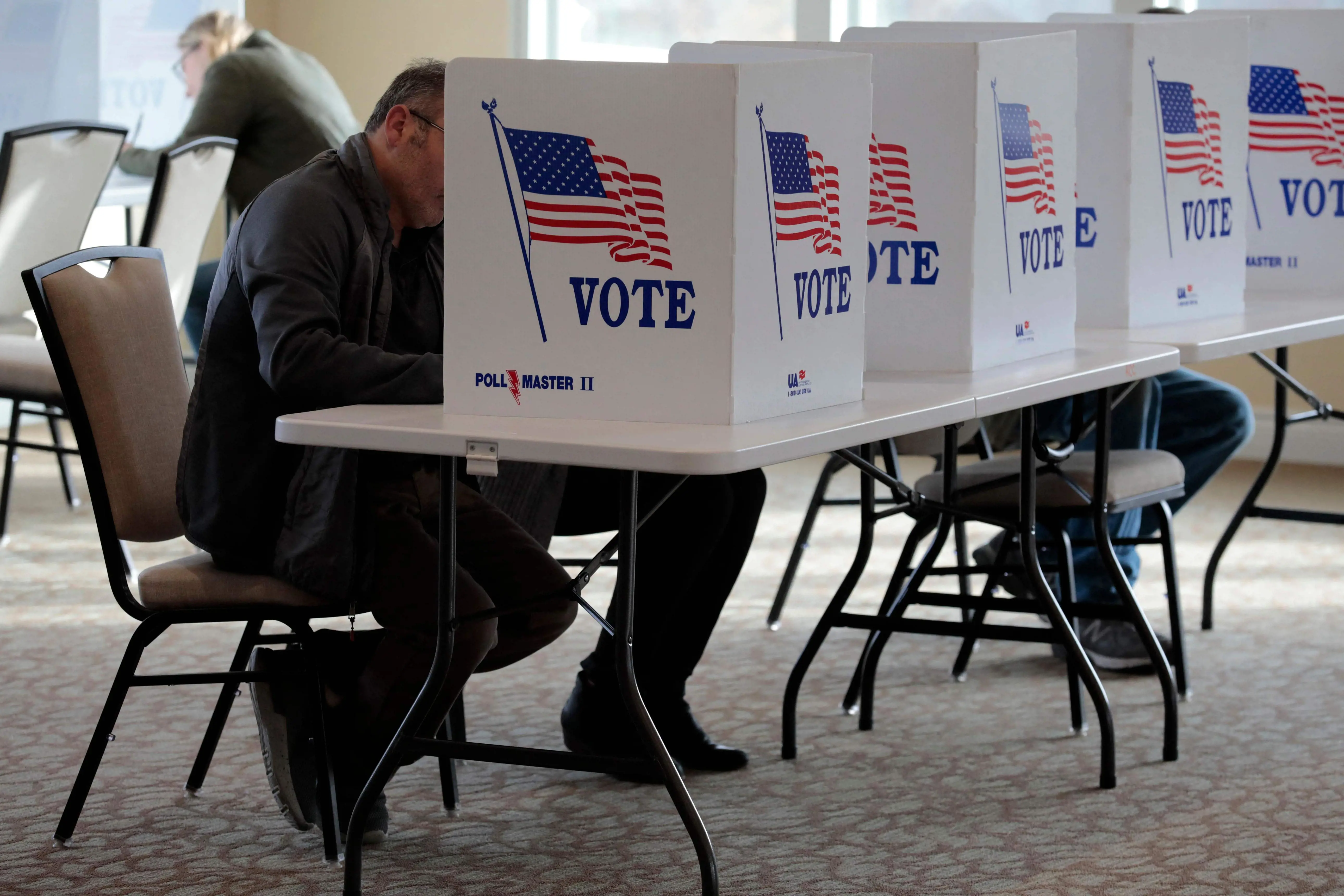
How Congressional Elections Could Reshape U.S. Economic Policy
The 2026 U.S. midterm elections could reshape America's economic future. The balance of power in Congress will influence Trump's economic agenda, taxation, international trade, government spending, and the country's position in the global economy.
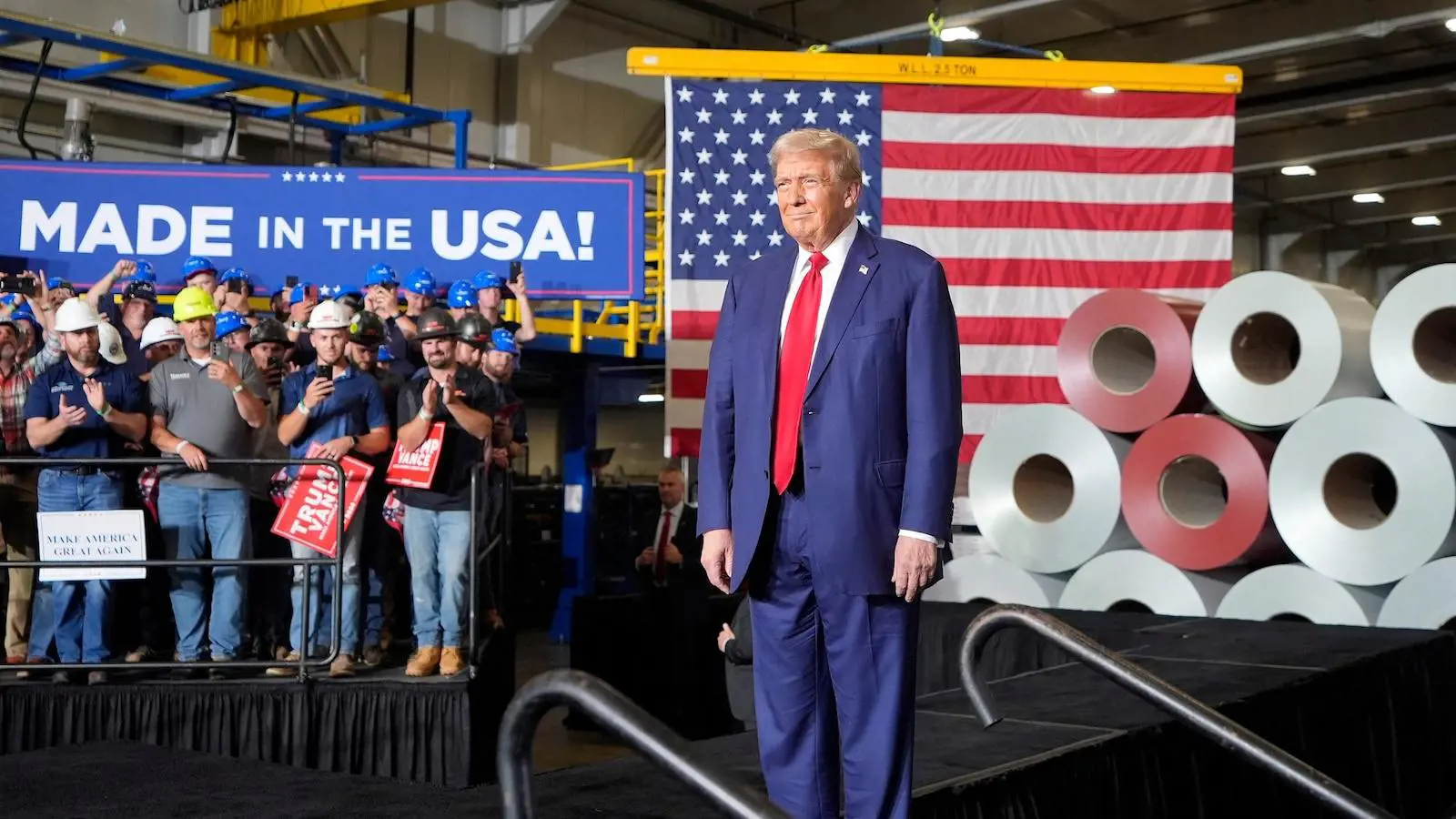
Trump’s Economic Agenda and America’s Future
President Donald Trump's economic policies are reshaping America's domestic industries, international trade relationships and investment environment. WBO examines the opportunities, risks and strategic choices that will influence the future of the US economy and its role in global business.